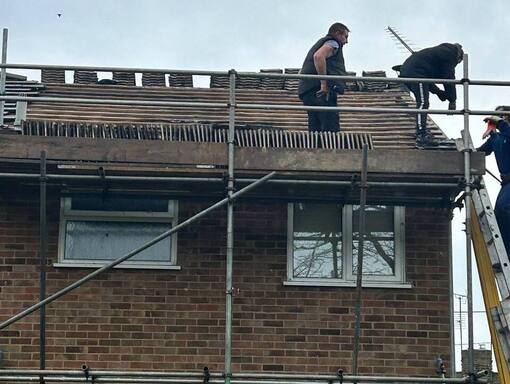
When a roof begins to show signs of wear, homeowners are often faced with an important decision: whether to carry out a re-roof or opt for a full roof replacement. While both approaches aim to restore the performance of the roof, they involve different methods and are suited to different situations.
For homeowners in Cringleford, Norfolk, understanding the distinction between these two options can help ensure the most appropriate solution is chosen for the condition of the property.
What Is Re-Roofing?
Re-roofing typically involves renewing the outer layer of the roof without removing the entire structure. In many cases, this means replacing tiles or slates while retaining the existing framework beneath.
This approach is usually suitable when the underlying structure of the roof is still in good condition and only the external covering has deteriorated. By updating the surface layer, the roof can regain its ability to protect the property from the elements.
Re-roofing is often considered when wear is visible across the surface but there are no significant structural concerns.
What Is a Full Roof Replacement?
A full roof replacement involves removing the existing roof covering and inspecting the structure beneath before installing a completely new system. This includes the outer materials as well as the supporting layers such as underlay and battens.
This approach is typically required when there are deeper issues affecting the roof, such as structural wear, widespread damage or long-term deterioration. A full replacement allows all components to be assessed and renewed, ensuring the roof performs as a complete system.
For properties in Cringleford, Norfolk, this option provides a comprehensive solution when repairs or partial updates are no longer sufficient.
Key Differences Between the Two Options
The primary difference between re-roofing and full replacement lies in the extent of the work involved. Re-roofing focuses on renewing the outer layer, while full replacement addresses both the surface and the underlying structure.
Re-roofing is generally less extensive and can be suitable for roofs that are structurally sound but showing surface wear. Full replacement, on the other hand, is more thorough and is designed to resolve deeper issues that affect the entire roofing system.
Understanding this distinction helps homeowners make informed decisions based on the condition of their roof.
When Re-Roofing May Be Suitable
Re-roofing may be the appropriate choice when:
- The roof structure remains stable and in good condition
- Damage is limited to the outer layer of tiles or slates
- There are no signs of significant water ingress affecting internal components
- The roof is nearing the end of its surface lifespan but not structurally compromised
In these cases, renewing the outer layer can restore performance without the need for more extensive work.
When a Full Replacement Is the Better Option
A full roof replacement is often recommended when:
- There are recurring issues that repairs have not resolved
- Structural components show signs of wear or damage
- Water ingress has affected the underlying layers
- The roof has reached the end of its overall lifespan
This approach ensures that all aspects of the roof are addressed, providing a long-term solution that restores both strength and reliability.
The Importance of Professional Assessment
Determining whether re-roofing or full replacement is the right option requires a detailed inspection. A professional roofing contractor can assess both the visible surface and the underlying structure to identify the most suitable course of action.
At Cringleford Roofing Services, we provide thorough evaluations for properties in Cringleford, Norfolk, ensuring that recommendations are based on the actual condition of the roof rather than assumptions.
This helps homeowners choose a solution that delivers lasting results.
Conclusion
Re-roofing and full roof replacement are both effective ways to restore a roof, but they serve different purposes depending on the condition of the structure. Re-roofing focuses on renewing the outer layer, while full replacement provides a comprehensive solution that addresses the entire system.
For homeowners in Cringleford, Norfolk, understanding these differences is key to making the right decision for long-term roof performance. Cringleford Roofing Services offers professional assessments and roofing solutions tailored to your property. If you are unsure which option is most suitable for your roof, our team is available to provide expert guidance and dependable service.When a roof begins to show signs of wear, homeowners are often faced with an important decision: whether to carry out a re-roof or opt for a full roof replacement. While both approaches aim to restore the performance of the roof, they involve different methods and are suited to different situations.
For homeowners in Cringleford, Norfolk, understanding the distinction between these two options can help ensure the most appropriate solution is chosen for the condition of the property.
What Is Re-Roofing?
Re-roofing typically involves renewing the outer layer of the roof without removing the entire structure. In many cases, this means replacing tiles or slates while retaining the existing framework beneath.
This approach is usually suitable when the underlying structure of the roof is still in good condition and only the external covering has deteriorated. By updating the surface layer, the roof can regain its ability to protect the property from the elements.
Re-roofing is often considered when wear is visible across the surface but there are no significant structural concerns.
What Is a Full Roof Replacement?
A full roof replacement involves removing the existing roof covering and inspecting the structure beneath before installing a completely new system. This includes the outer materials as well as the supporting layers such as underlay and battens.
This approach is typically required when there are deeper issues affecting the roof, such as structural wear, widespread damage or long-term deterioration. A full replacement allows all components to be assessed and renewed, ensuring the roof performs as a complete system.
For properties in Cringleford, Norfolk, this option provides a comprehensive solution when repairs or partial updates are no longer sufficient.
Key Differences Between the Two Options
The primary difference between re-roofing and full replacement lies in the extent of the work involved. Re-roofing focuses on renewing the outer layer, while full replacement addresses both the surface and the underlying structure.
Re-roofing is generally less extensive and can be suitable for roofs that are structurally sound but showing surface wear. Full replacement, on the other hand, is more thorough and is designed to resolve deeper issues that affect the entire roofing system.
Understanding this distinction helps homeowners make informed decisions based on the condition of their roof.
When Re-Roofing May Be Suitable
Re-roofing may be the appropriate choice when:
- The roof structure remains stable and in good condition
- Damage is limited to the outer layer of tiles or slates
- There are no signs of significant water ingress affecting internal components
- The roof is nearing the end of its surface lifespan but not structurally compromised
In these cases, renewing the outer layer can restore performance without the need for more extensive work.
When a Full Replacement Is the Better Option
A full roof replacement is often recommended when:
- There are recurring issues that repairs have not resolved
- Structural components show signs of wear or damage
- Water ingress has affected the underlying layers
- The roof has reached the end of its overall lifespan
This approach ensures that all aspects of the roof are addressed, providing a long-term solution that restores both strength and reliability.
The Importance of Professional Assessment
Determining whether re-roofing or full replacement is the right option requires a detailed inspection. A professional roofing contractor can assess both the visible surface and the underlying structure to identify the most suitable course of action.
At Cringleford Roofing Services, we provide thorough evaluations for properties in Cringleford, Norfolk, ensuring that recommendations are based on the actual condition of the roof rather than assumptions.
This helps homeowners choose a solution that delivers lasting results.
Conclusion
Re-roofing and full roof replacement are both effective ways to restore a roof, but they serve different purposes depending on the condition of the structure. Re-roofing focuses on renewing the outer layer, while full replacement provides a comprehensive solution that addresses the entire system.
For homeowners in Cringleford, Norfolk, understanding these differences is key to making the right decision for long-term roof performance. Cringleford Roofing Services offers professional assessments and roofing solutions tailored to your property. If you are unsure which option is most suitable for your roof, our team is available to provide expert guidance and dependable service.
Call us on: 01603 249 398
Click here to find out more about Cringleford Roofing Services
Click here to complete our contact form and see how we can help with your roofing needs.